
Why Shoulder Season Might Be the Best Time to Travel
Oct 22, 2026What if one of the easiest ways to improve your next vacation had nothing to do with where you go, what hotel you book, or how much money you spend?
It might simply come down to when you go.
Most travelers are familiar with peak season. It's when destinations are busiest, accommodations are in high demand, and popular attractions can feel like everyone on the planet had the same vacation idea.
But there's another travel season that doesn't get nearly enough attention: shoulder season.
Depending on where you're headed, it might be the smartest time to book your trip.
What Is Shoulder Season?
Shoulder season is the period between a destination's busiest travel season and its quieter off-season. It typically falls just before or just after peak tourism.
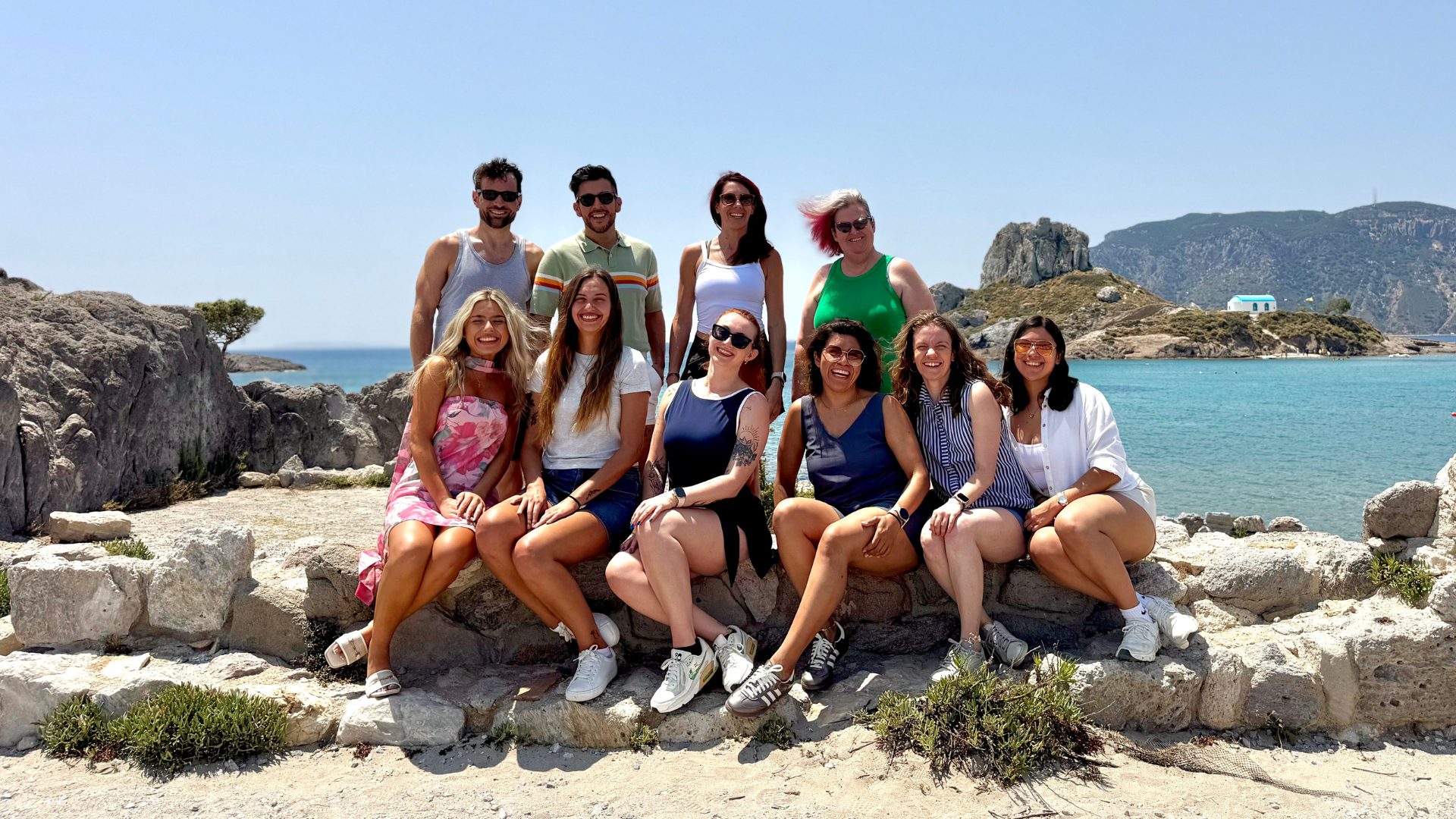
For example, the Greek islands are particularly popular during July and August. But visiting in late May, early June, September, or early October can offer a different experience, with fewer crowds and often more comfortable temperatures for exploring.
The exact timing varies by destination. Shoulder season in Italy isn't necessarily shoulder season in Bali, and a quieter month in Mexico might coincide with significantly wetter weather.
That's why understanding the seasonality of your destination is one of the most useful travel-planning skills you can develop.
1. Your Travel Budget May Go Further
One of the biggest advantages of shoulder-season travel is the potential for lower prices.
Airlines and hotels adjust their rates based partly on demand. When fewer people are traveling, you may find better prices on accommodations, flights, and certain activities.
That doesn't mean everything will automatically be cheaper. Holidays, festivals, conferences, and other local events can drive prices up even during otherwise quieter months.
But if you have flexibility, comparing dates just a few weeks apart can sometimes reveal substantial differences.
Instead of spending your entire budget on a hotel room during peak season, you might be able to stay somewhere nicer, extend your trip, or put more money toward experiences.
Our recommendation: Compare the total cost of the trip, not just the flight. A slightly more expensive plane ticket during a quieter month could still result in a less expensive vacation overall.
2. You Can Experience Popular Places Without the Peak Crowds
There's a difference between visiting a beautiful destination and actually having room to enjoy it.
Think about wandering through a Greek village, visiting a famous viewpoint, or finding a waterfront restaurant for lunch.
Now imagine doing those same things when the destination is operating at maximum tourist capacity.
During shoulder season, popular attractions may be less crowded, restaurant reservations can be easier to secure, and you may spend less time waiting in lines.
You can still experience the places you came to see, but with fewer people competing for the same space.
Of course, famous landmarks can remain busy year-round. Shoulder season isn't a guarantee of empty beaches or quiet streets.
It simply improves your chances of enjoying some of those experiences with fewer crowds.
3. The Weather Might Actually Be More Comfortable
Here's something travelers sometimes overlook: Peak tourist season doesn't always mean the most enjoyable weather.
In many Mediterranean destinations, July and August bring intense summer heat. That's wonderful if your plan involves spending every afternoon in the water, but it can make long walking tours, hikes, and sightseeing less comfortable.
Late spring and early fall often provide a more manageable balance of sunshine and temperature.
For example, early June in Greece can be particularly appealing for travelers who want to combine beaches, movement, and exploration without the strongest midsummer heat.
The important distinction is that shoulder-season weather varies enormously.
In some tropical destinations, quieter months overlap with rainy season. In others, the weather is still excellent but the crowds have simply started to decrease.
Before booking, look at historical rainfall, average temperatures, humidity, ocean conditions, and the activities you're planning.
A month with comfortable temperatures may still be a poor choice if your primary goal is swimming and the water is too cold for you.
4. You May Have More Flexibility With Your Plans
Traveling during peak season often means booking everything well in advance.
Popular restaurants fill up. Excursions sell out. Certain hotels have limited availability. Even transportation can require more advance planning.
During shoulder season, you may have a little more flexibility.
Perhaps you can choose between several restaurant reservations instead of taking the only available time. Maybe a guided excursion has fewer participants, or a hotel has more room options.
That flexibility can make a trip easier to organize, particularly if you enjoy leaving some of your itinerary open.
Just remember that the trade-off can go both ways. Some destinations reduce transportation schedules, operating hours, or seasonal services outside peak months.
Always confirm that the activities you care about will actually be available.
5. You May Experience a Different Side of the Destination
When a destination is less crowded, you may find it easier to spend time exploring beyond the most popular tourist attractions.
You can wander through local neighborhoods, visit smaller businesses, and enjoy restaurants without always planning around the busiest hours.
It's also an opportunity to see what a destination feels like when it isn't at its highest tourism volume.
That doesn't automatically make the experience more authentic, but it can make the pace more enjoyable.
And sometimes that's worth just as much as saving money.
When Is Shoulder Season Around the World?
Here are some general examples to consider when planning future international travel.
| Destination | Typical Shoulder-Season Periods |
|---|---|
| Greece | May–early June, September–October |
| Italy | April–May, September–October |
| Portugal | April–May, September–October |
| Bali | April–May, September–October |
| Japan | Late May–June, September in some regions |
| Mexico's Caribbean coast | May and November, with weather caveats |
These are starting points rather than universal rules. Seasonal patterns vary by region, and holidays, rainfall, storms, and local events can change the experience significantly.
When Shoulder Season Isn't the Best Choice
We're big fans of traveling strategically, but we wouldn't recommend choosing shoulder season simply because a blog told you to.
Sometimes peak season is peak season for a very good reason.
If you're traveling to a tropical destination for outdoor excursions, dry-season conditions might be worth the higher demand. If you're planning a beach vacation, warmer ocean temperatures might matter more to you than saving money on accommodations.
You should also consider whether restaurants, beach clubs, ferry routes, guided tours, or other seasonal services operate during your chosen dates.
The smartest approach is to ask four questions:
-
What will the weather realistically be like?
-
Will the experiences I care about be available?
-
How crowded is the destination likely to be?
-
What will the entire trip cost?
The best travel dates are the ones that give you the right balance for the experience you want.
Why We Love Greece in Early June
When we plan a Create Your Fate Retreat, choosing the destination is only the beginning.
We also consider weather patterns, travel accessibility, group activities, accommodations, and how the time of year will affect the overall experience.
That's one reason we're excited to return to Kos, Greece, beginning June 3.
Early June sits around the transition from late shoulder season into summer travel. The island is generally warming up, with favorable conditions for enjoying beaches, exploring, and spending time outdoors, while the busiest July and August period is still ahead.
For a retreat that combines movement, exploration, connection, and time to enjoy the destination, that timing is particularly appealing.
Of course, the weather is never guaranteed. But thoughtful timing can make a meaningful difference.
[GREECE RETREAT PROMOTION]
The Best Time to Travel Isn't Always the Most Popular Time
It's easy to assume that the month everyone travels must be the best month to visit.
Sometimes it is.
Other times, arriving a few weeks earlier or later gives you a better combination of weather, value, availability, and comfort.
Before you book your next international trip, look beyond the peak-season recommendations and research the months on either side.
You might discover that the best time to visit somewhere is the time fewer people are thinking about.
And if you'd rather have someone else handle the destination research, accommodations, and experience planning, explore our upcoming retreats at https://www.createyourfateretreats.com/upcoming-retreats.
Get Our Newsletter
Join the Create Your Fate Retreats mailing list — be the first to know about upcoming retreats, exclusive offers, and priority booking.